

SCANNING: Unlock hidden codes with your scanner
Enhance your monitoring with modern decoding tools built into your radio

Summary of this article: We explain how hidden information embedded in two-way radio signals can be decoded by scanners to enhance the monitoring experience for hobbyists. Decoding helps filter out unwanted radio communications and can help identify unknown users.
Did you know that nearly every public safety and business two-way radio signal carries hidden information you can decode with many of today’s scanners? These “secret codes” aren’t spy stuff — they’re technical signals sent continuously to help radio users avoid interference. For hobbyists, they can make your monitoring much more enjoyable. Read along as we tell you how it can help you become a scanning frequency sleuth!
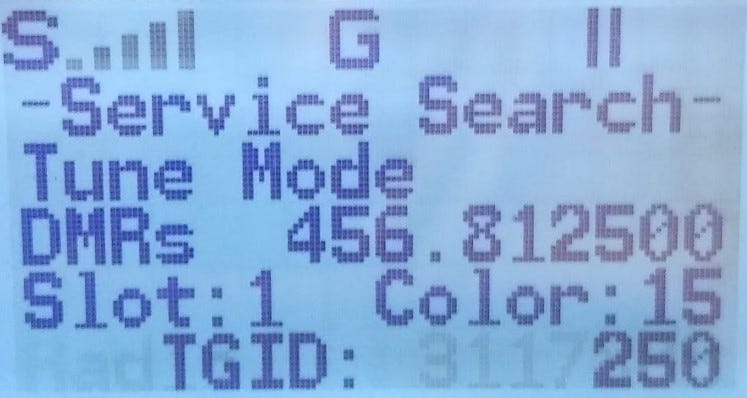
The display of a Whistler TRX-1 digital scanner shows the Color Code of this DMR (Digital Mobile Radio) signal is 15 (with a talkgroup ID of 250) on 456.8125 MHz. The Color Code is much like a CTCSS tone or DCS code on analog frequencies, and gives a “fingerprint” to the signal. | Photo from National Communications Magazine archives
Keep reading with a 7-day free trial
Subscribe to National Communications Magazine to keep reading this post and get 7 days of free access to the full post archives.